Off-grid solar wiring made simple
Design and validate your solar electrical system, from a single panel to a multi-kilowatt array, with real-time safety checks.
What you can design
- ✓ Small off-grid solar setup
- ✓ Multi-panel solar array design
- ✓ Battery bank sizing and wiring
- ✓ Charge controller selection
- ✓ Complete off-grid power system
Solar electrical design for DIYers
Designing a solar electrical system involves more than just buying panels and batteries. You need to size your charge controller, choose the right wire gauge for your current and distance, select appropriate fuses, and ensure your battery bank matches your load requirements. No-Sparks validates all of this automatically.
Key solar design considerations
MPPT vs PWM charge controllers
MPPT controllers are more efficient (up to 30% more power harvest) but cost more. For systems over 200W, MPPT is almost always worth the investment. No-Sparks validates that your charge controller can handle your panel array’s voltage and current.
Series vs parallel panel wiring
Series wiring increases voltage (better for long cable runs and MPPT controllers), while parallel wiring increases current (simpler, more shade-tolerant). Your charge controller’s maximum input voltage determines which configuration to use.
Wire gauge selection
The #1 safety concern in solar systems is undersized wiring. No-Sparks checks every cable against the ampacity table and flags any wire that can’t safely carry the expected current.
Common solar components
- Solar panels: monocrystalline or polycrystalline, 100W to 400W each
- MPPT charge controller: optimizes power harvest, handles higher voltages
- Deep-cycle battery bank: lithium or AGM, sized for your daily usage
- Fuses and breakers: protect every circuit from overcurrent
- Inverter: converts 12V DC to AC for household appliances
- Battery monitor: tracks energy in and out of your battery bank
Design your solar system
Drag in your solar panels, charge controller, and batteries. No-Sparks validates wire sizing, fuse ratings, and controller compatibility in real time.
Solar DIY wiring diagram examples
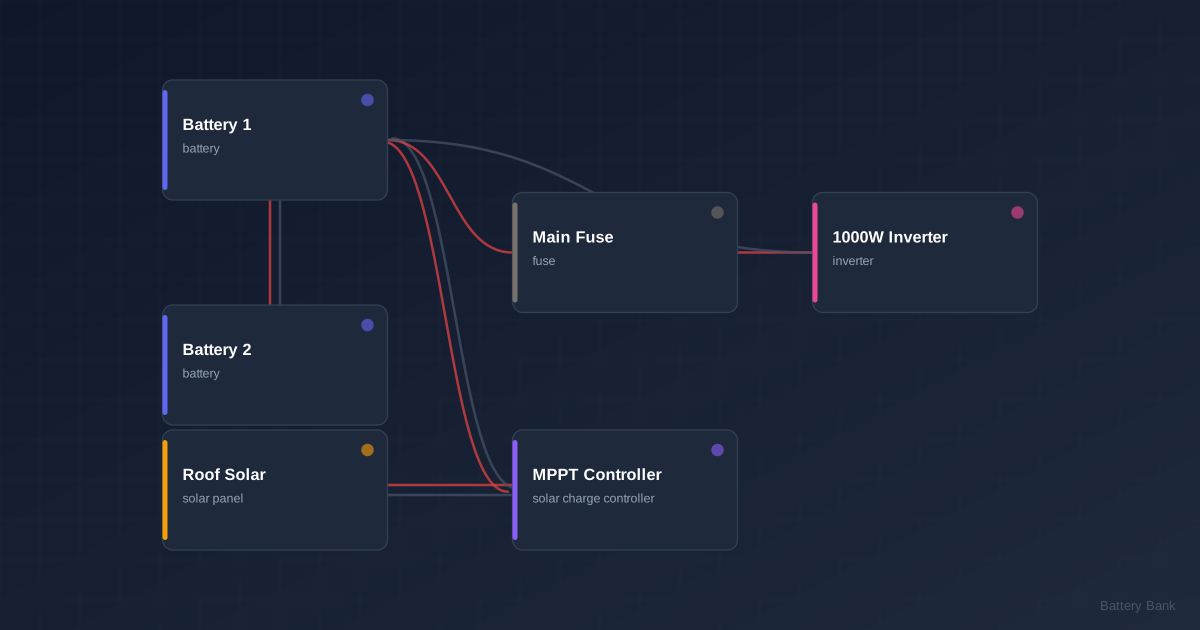
Battery Bank
Two batteries wired in parallel with solar charging and inverter
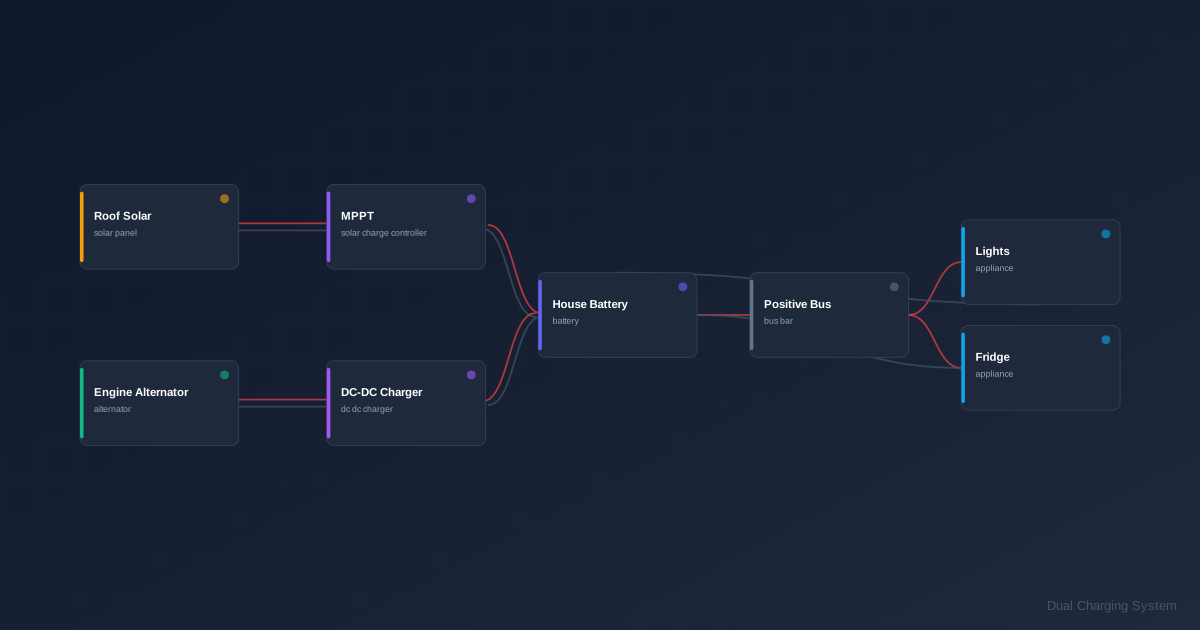
Dual Charging System
Solar and alternator charging with bus bar distribution
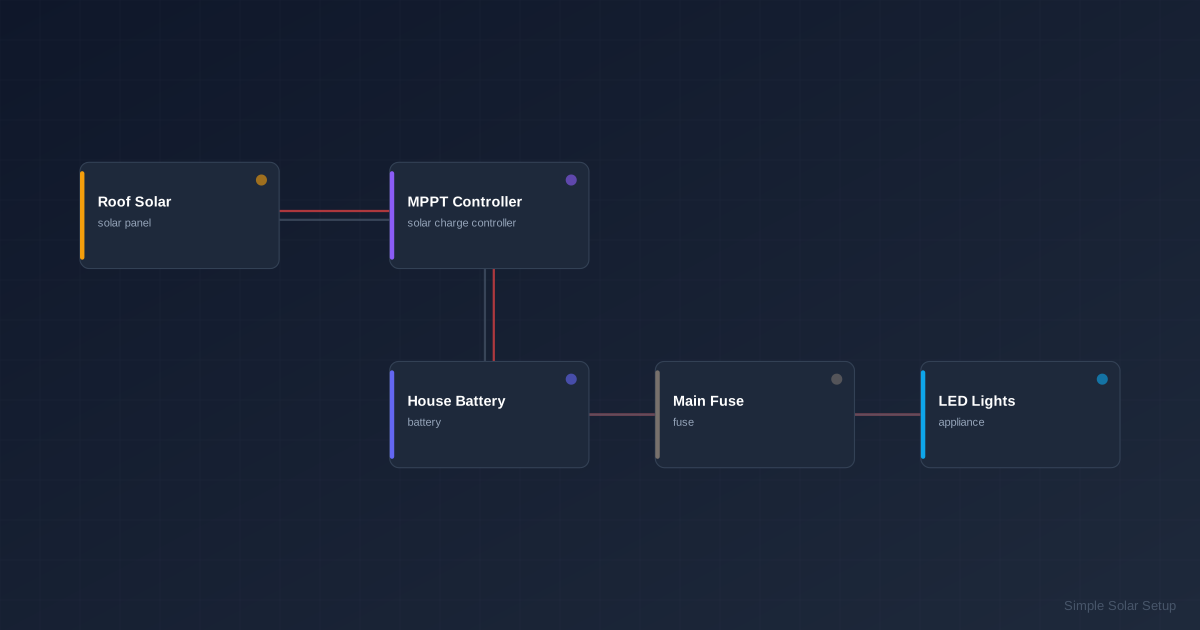
Simple Solar Setup
Basic solar charging system with battery and one load
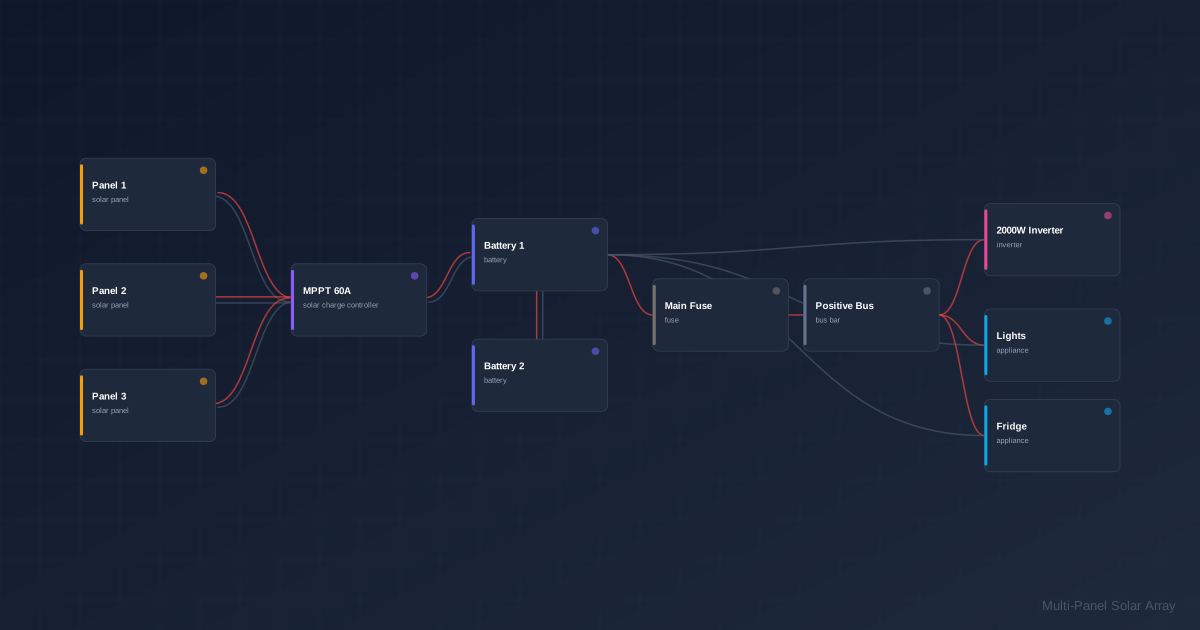
Multi-Panel Solar Array
Three solar panels in parallel with dual battery bank and bus bar distribution
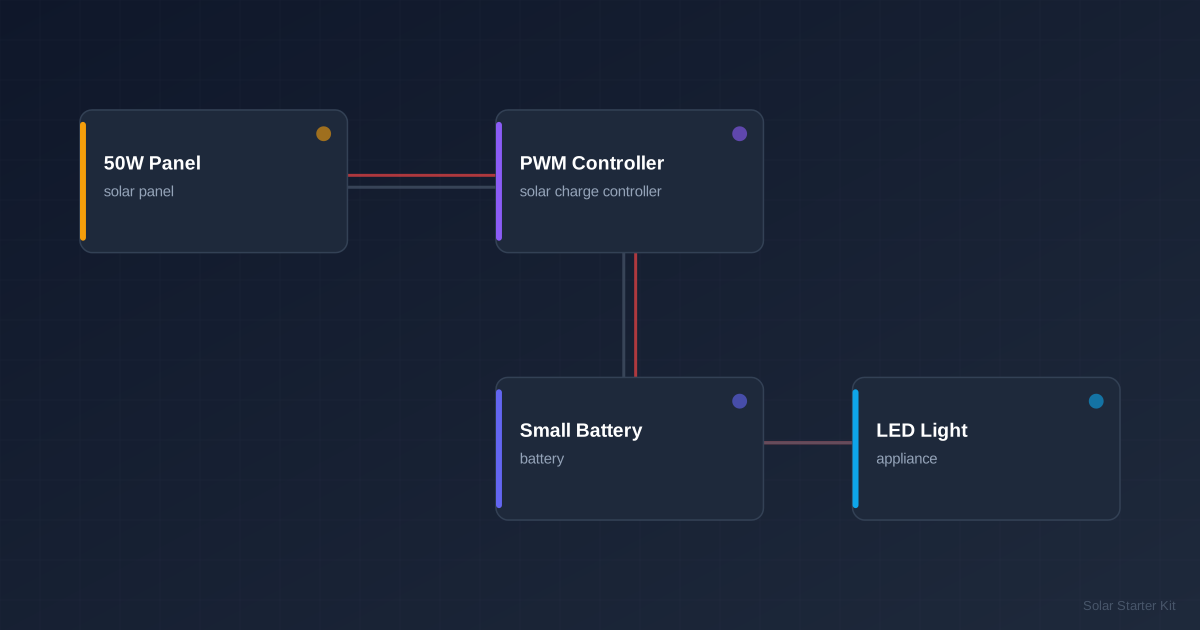
Solar Starter Kit
The simplest possible solar setup with one panel and one load
Explore other communities
Ready to design your Solar DIY electrical system?
No signup required. Start building your wiring diagram right now.
Open the editor